The Franchise Premium Has Stopped Rising
For two decades, sporting assets appreciated faster than the revenue beneath them. Three consecutive quarters of control transactions suggest that relationship has broken.
The Business of Sport
The Arena Journal indices are illustrative composites published to frame sector coverage. They are not investable products and do not represent live market prices.
For two decades, sporting assets appreciated faster than the revenue beneath them. Three consecutive quarters of control transactions suggest that relationship has broken.
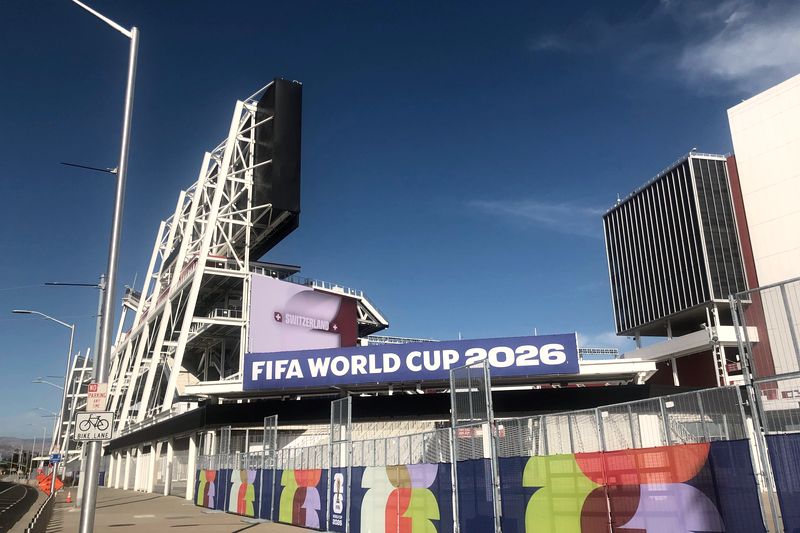
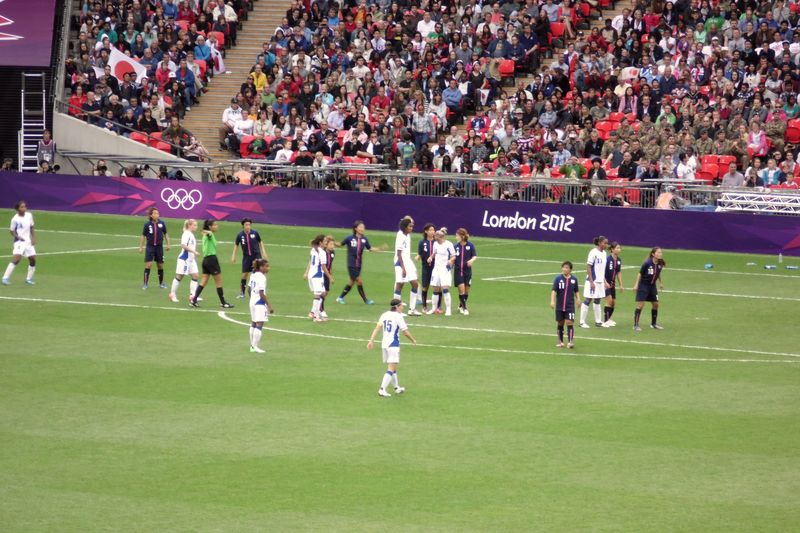
A larger field across three host nations delivered record attendance and record cost. The distribution of both has landed very unevenly.
Automated clipping and generated commentary have made near-zero-cost derivative content possible at scale. The licensing framework assumes a human decided what to publish.
Institutional capital entered the sector in a period of falling rates and rising rights. It has now experienced the other half of a cycle, and the returns are separating sharply by strategy.
Venue naming agreements signed in the last cycle are renewing into a market with different buyers, shorter terms and a measurement standard that did not previously exist.
Valuations, private capital, debt, listings and the money moving through the industry.
All Markets →For two decades, sporting assets appreciated faster than the revenue beneath them. Three consecutive quarters of control transactions suggest that relationship has broken.
Institutional capital entered the sector in a period of falling rates and rising rights. It has now experienced the other half of a cycle, and the returns are separating sharply by strategy.
A decade of borrowing at low rates is coming due into a market that prices sporting credit very differently. Refinancing, not revenue, is the binding constraint of the next three years.
Local media contracts signed against a subscriber base that no longer exists are being restructured through the courts. Franchises are discovering that guaranteed revenue was neither.
Broadcast and streaming rights, distribution deals, and the economics of sports attention.
All Media →Direct-to-consumer distribution has let competitions sell access by the match, the month and the club. Early data suggests it converts casual audiences and erodes committed ones.
General-entertainment streamers acquiring live sport are not competing with broadcasters for the same product. They are buying an acquisition and retention instrument.
Unbundled rights, standalone broadcast windows and independent commercial inventory have moved women’s competitions from a contractual afterthought to a priced asset.
Out-of-market packages migrating to streaming platforms mark the point at which sport stops subsidising the cable ecosystem that carried it for forty years.
Governance, competition structure, ownership and the institutions that run the games.
All Leagues →A larger field across three host nations delivered record attendance and record cost. The distribution of both has landed very unevenly.
Expanded competition formats have pushed elite squads past the load their medical departments can manage. Injury cost is now large enough to appear in financial planning.
Closed leagues have discovered that selling a new franchise is the highest-margin transaction available to them. The constraint is that each sale permanently dilutes the seller.
Lenders to clubs in open leagues are underwriting a revenue stream that can fall by two-thirds on a single result. The instruments used to manage it are not adequate.
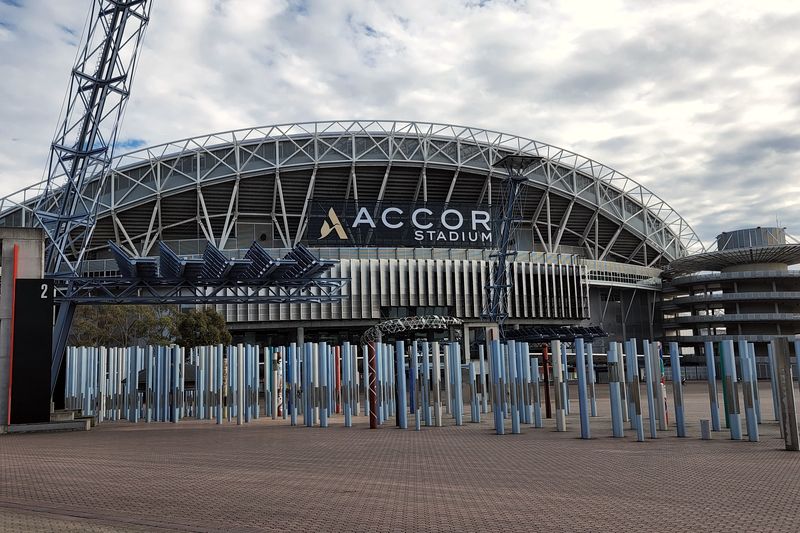
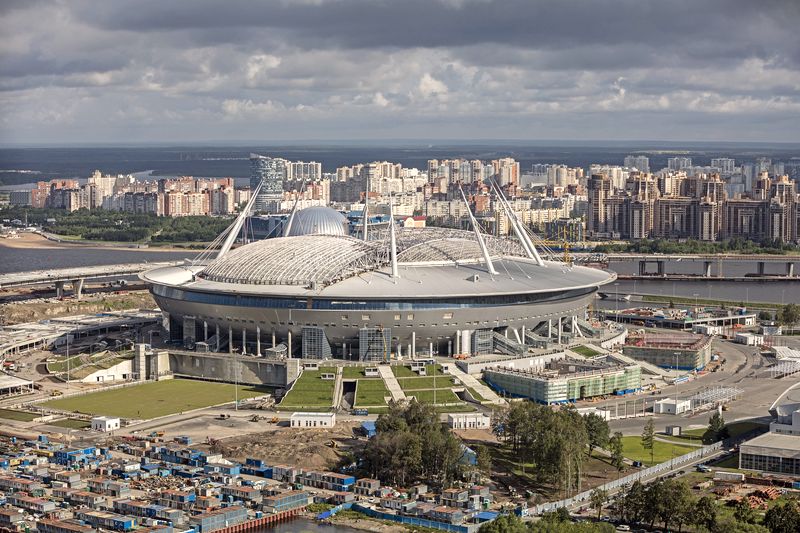
Stadium finance, development, matchday revenue and the physical business of hosting.
All Venues →Venue naming agreements signed in the last cycle are renewing into a market with different buyers, shorter terms and a measurement standard that did not previously exist.
A Games delivered largely in existing venues has produced the first credible test of whether the host-city model can be made financially defensible.
The venues built with public money in the 2000s have now run long enough to test the economic projections used to justify them. The results are not ambiguous.
Construction cost inflation, tightening municipal appetite and a changed revenue mix have pushed the venue business from building new to rebuilding what exists.
Wages, collective bargaining, agency, endorsement and the market for playing talent.
All Athletes →Squad-cost ratios have replaced absolute spending limits across European football. The new instrument is harder to game and entrenches existing revenue advantages.
Amortisation accounting has turned squad building into a balance-sheet exercise. Clubs are now managing book values as deliberately as they manage results.
An incumbent tour with no equity, no owner and no balance sheet met a challenger with unlimited funding. The resolution reveals what a sporting monopoly is actually worth.
Player representation has consolidated from a cottage industry into a handful of capital-backed platforms. The conflicts this creates are structural, not incidental.
Officiating systems, performance data, wagering infrastructure and applied machine learning.
All Technology →Automated clipping and generated commentary have made near-zero-cost derivative content possible at scale. The licensing framework assumes a human decided what to publish.
Decision-support systems have moved from measuring positions to classifying actions. That crosses a line between fact-finding and judgement that the laws have never addressed.
Positional tracking, biometric monitoring and performance telemetry generate enormous commercial value. Who owns any of it remains genuinely unsettled.
Legal sports betting expanded faster than the data, integrity and settlement infrastructure it depends on. The gap is where the losses will appear.
Every edition since the Journal’s founding in 2020