A World Cup in December, and the Calendar It Broke
Moving the game’s largest event to midwinter was presented as a scheduling adjustment. It was a demonstration that the international calendar is set by whoever is paying.
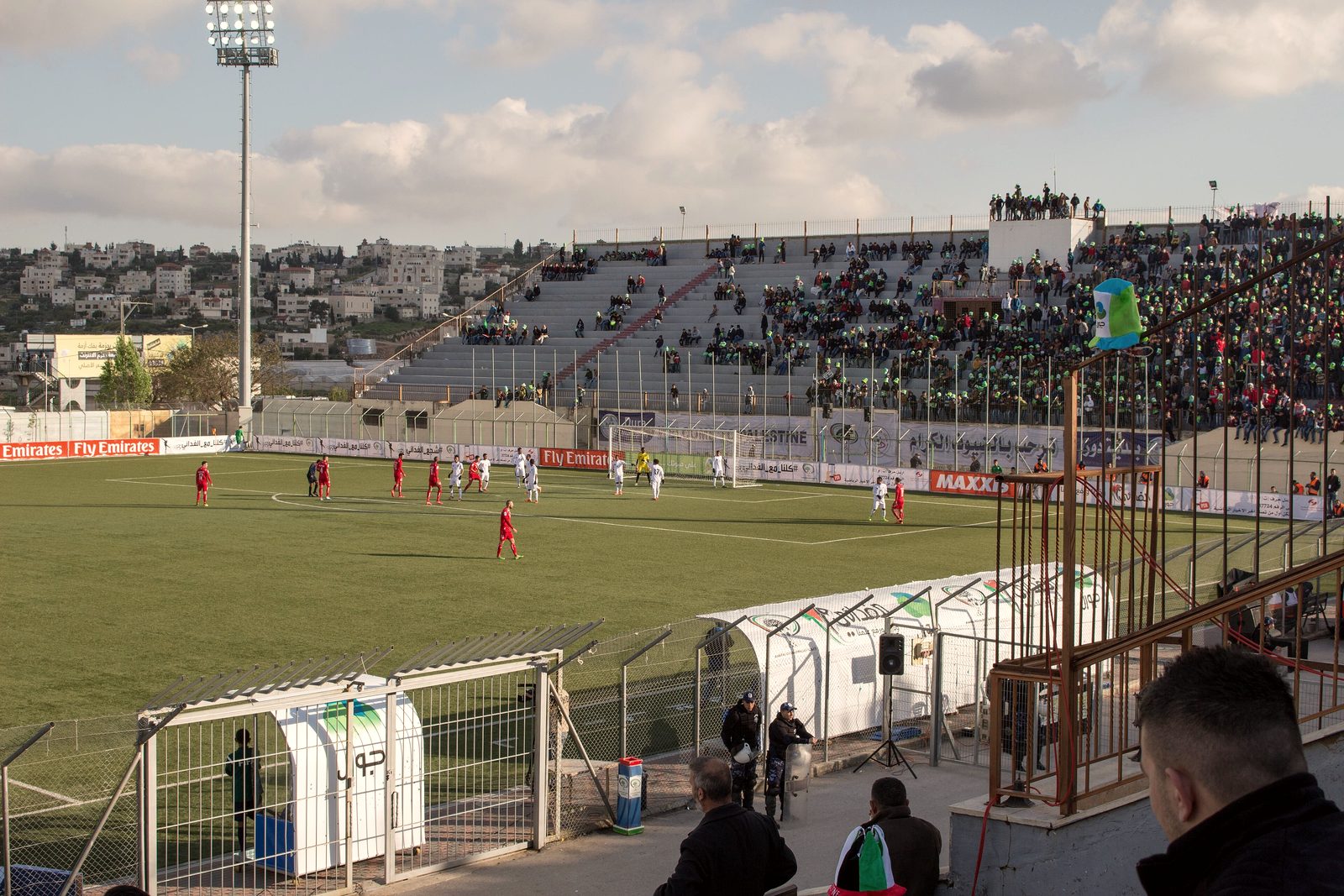
Photograph: TrickyH · CC BY-SA 4.0 · Wikimedia Commons
The tournament that concluded this week was, by the measures its organisers care about, a success: full stadiums, enormous global audiences, a final that will be replayed for decades. It was also the first time the sport’s premier international competition has been staged in the middle of the European domestic season, and the significance of that will outlast every match played.
The scheduling change was necessary because of where the tournament was held, and where it was held was decided twelve years ago through a process whose deficiencies have been documented at length. I do not intend to revisit that. The more useful question now is what the successful execution of a midwinter tournament has established, because the answer constrains everything that follows.
The disruption was absorbed, so it can be repeated
Domestic leagues across Europe suspended, compressed or restructured their seasons. Clubs released players mid-campaign, lost them for a period they could not control, and in several cases received them back injured or exhausted. Competitions with promotion and relegation ran on a distorted calendar that affected sporting outcomes worth very large sums.
Compensation for this existed but was modest relative to the disruption, and critically, it was not negotiated as a price. It was distributed as a payment. The distinction matters: a price implies that the party bearing the cost had the standing to refuse, and at no point did the domestic game have that standing.
The leagues did not consent to this. They accommodated it. The difference is the whole story.Eleanor Vance
Where calendar authority actually sits
Football has an international match calendar agreed between confederations, the global governing body and, nominally, representatives of leagues and clubs. The formal position is that it is a negotiated instrument. The demonstrated position, after this year, is that when the international game requires a change of sufficient magnitude, the domestic game reorganises around it.
This is not a new dynamic, but it has never been tested at this scale. A tournament moved by six months, into the heart of the club season, across every major domestic competition simultaneously, is a far larger imposition than anything previously attempted. It happened, and the sport continued, and everyone was paid enough not to litigate.
The lesson available to anyone planning the next expansion of the international calendar — and there are several such plans in circulation — is that the resistance is manageable.
The players were the last consideration
Throughout the debate, the argument advanced most frequently in defence of the schedule was that it protected players from playing in extreme summer heat. That is true and it was a genuine consideration. It is also an argument about a problem created entirely by the original hosting decision, deployed to justify the remedy for that decision.
Meanwhile the actual player-welfare question — the aggregate load on elite footballers across an expanding club calendar, an expanding international calendar, and now a tournament inserted into the middle of both — was raised by player representatives repeatedly and addressed substantively by nobody with the authority to act on it.
What to watch next
Three proposals now in circulation would each add fixtures to the elite calendar: expanded club competition formats, an enlarged international tournament, and additional inter-confederation events. Each is being advanced by a body that captures the revenue from its own competition and does not bear the cost of the aggregate load.
There is no institution in football with both the authority and the incentive to say that the calendar is full. Until one exists, the calendar will continue to be set the way it was set this year: by whoever is paying, with everyone else accommodating, and the players absorbing whatever is left.