Naming Rights Reprice, and the Buyers Change
Venue naming agreements signed in the last cycle are renewing into a market with different buyers, shorter terms and a measurement standard that did not previously exist.
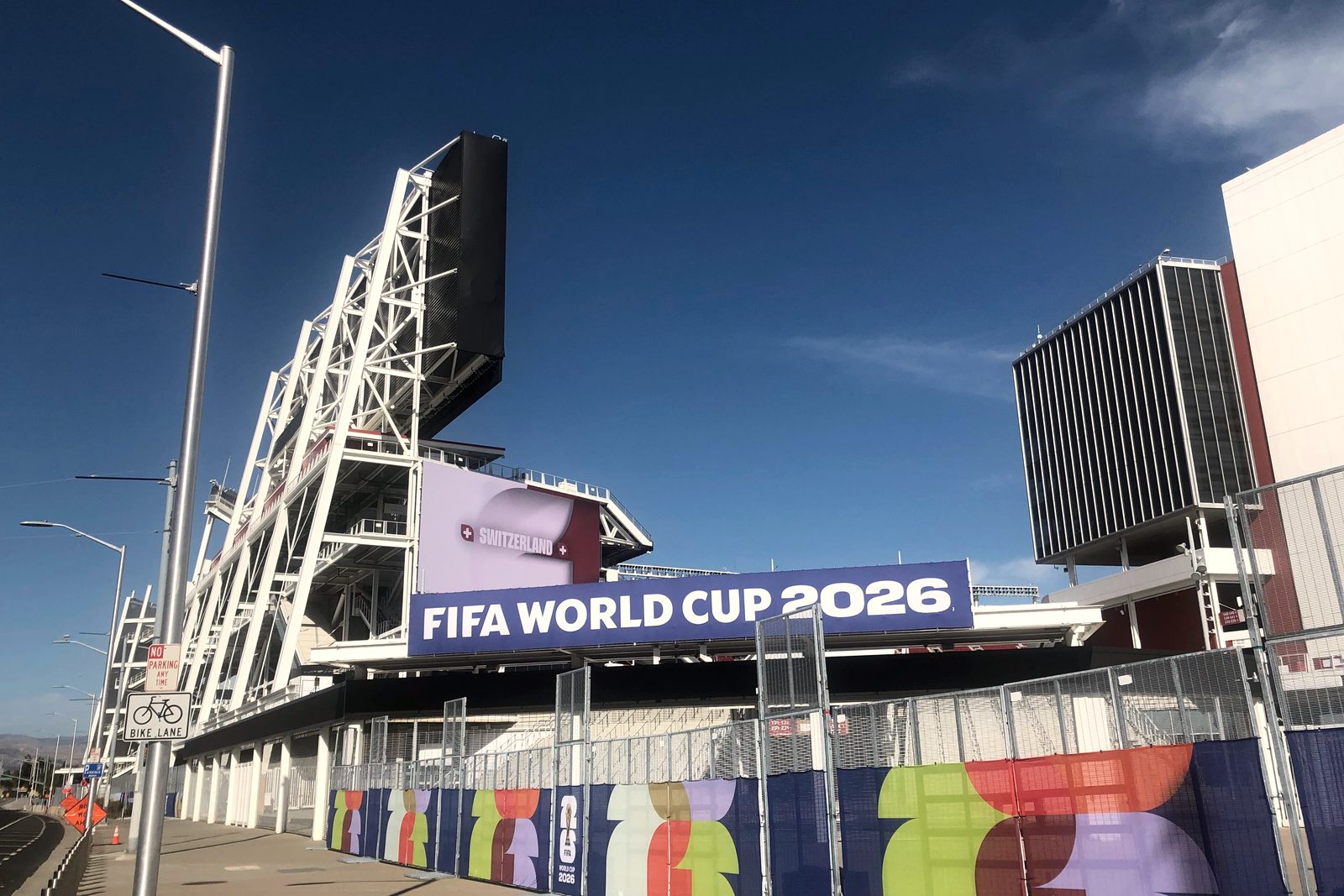
Photograph: Mxn · CC BY-SA 4.0 · Wikimedia Commons
Venue naming rights have been among the most stable commercial products in sport: very large agreements, twenty-year terms, investment-grade counterparties, and a valuation methodology that essentially nobody interrogated. That stability is ending, and the renewals now coming through the market show three distinct changes.
The buyer composition has shifted
The archetypal naming-rights buyer of the 2000s was a bank, an insurer or an airline — large, regulated, regionally rooted, and seeking broad brand presence in a home market. Those categories remain active and have become more price-disciplined, partly for regulatory reasons and partly because their marketing functions are under the same attribution scrutiny as everyone else’s.
They have been partly displaced by technology companies, platform businesses and, in a well-documented cohort of agreements signed in 2021 and 2022, digital-asset firms. That last group has produced the sector’s first significant experience of counterparty failure mid-term: agreements terminated, venues renamed at short notice, and rights holders discovering that a naming agreement is only as good as the entity behind it.
A twenty-year name is worth twenty years of payments only if the payer survives twenty years. Several did not survive two.
Terms have shortened
The second change follows from the first. Agreements being signed now are materially shorter — ten to fifteen years where twenty to twenty-five was standard — with more frequent review points and, increasingly, performance conditions tied to attendance, competitive status or media exposure.
Shorter terms are prudent for the buyer and problematic for the venue owner, because naming income is one of the receipts most commonly pledged against stadium debt. A thirty-year facility supported by a twenty-year naming agreement had a manageable tail risk. The same facility supported by a twelve-year agreement has a refinancing-and-renewal risk sitting squarely inside the debt’s life.
Lenders have noticed. Several recent venue financings have applied a haircut to naming income in coverage calculations, or excluded it beyond the current agreement term — which raises the equity requirement for new venue projects and feeds back into the retrofit-over-new-build shift now well established across the sector.
Measurement arrived
The third change is the most consequential over time. Naming-rights valuation has historically rested on media-exposure equivalence: counting mentions and on-screen appearances of the venue name and valuing them against advertising rates.
That methodology has always been generous. It counts exposure the audience does not process, values it at rates paid for attention rather than incidental visibility, and takes no account of whether anyone can subsequently recall the name — a real problem for venues whose name has changed twice in a decade, where public and journalistic usage frequently reverts to the previous name or to an informal one.
Buyers now routinely commission independent attribution work before renewal, and the results have generally come in below the exposure-equivalence figures rights holders present. That gap is the single largest driver of the repricing now occurring, and unlike the buyer-composition and term changes, it will not revert. Once a category has been measured properly, it does not go back to being valued by assertion.
Where value is holding
Two categories are proving resilient. Venues with genuinely distinctive architecture that becomes shorthand for the building command a premium, because the name attaches to something the public already has a reason to refer to. And integrated partnerships — where the naming partner supplies operational technology, payments infrastructure or connectivity within the venue — hold value better than pure signage, because the relationship generates business rationale beyond exposure.
The lesson rights holders are drawing is that naming is becoming a commercial partnership rather than a media buy. That is a harder product to sell, requires capabilities most commercial departments do not have, and produces lower headline numbers with considerably better renewal rates.