The Data Rights Nobody Negotiated
Positional tracking, biometric monitoring and performance telemetry generate enormous commercial value. Who owns any of it remains genuinely unsettled.
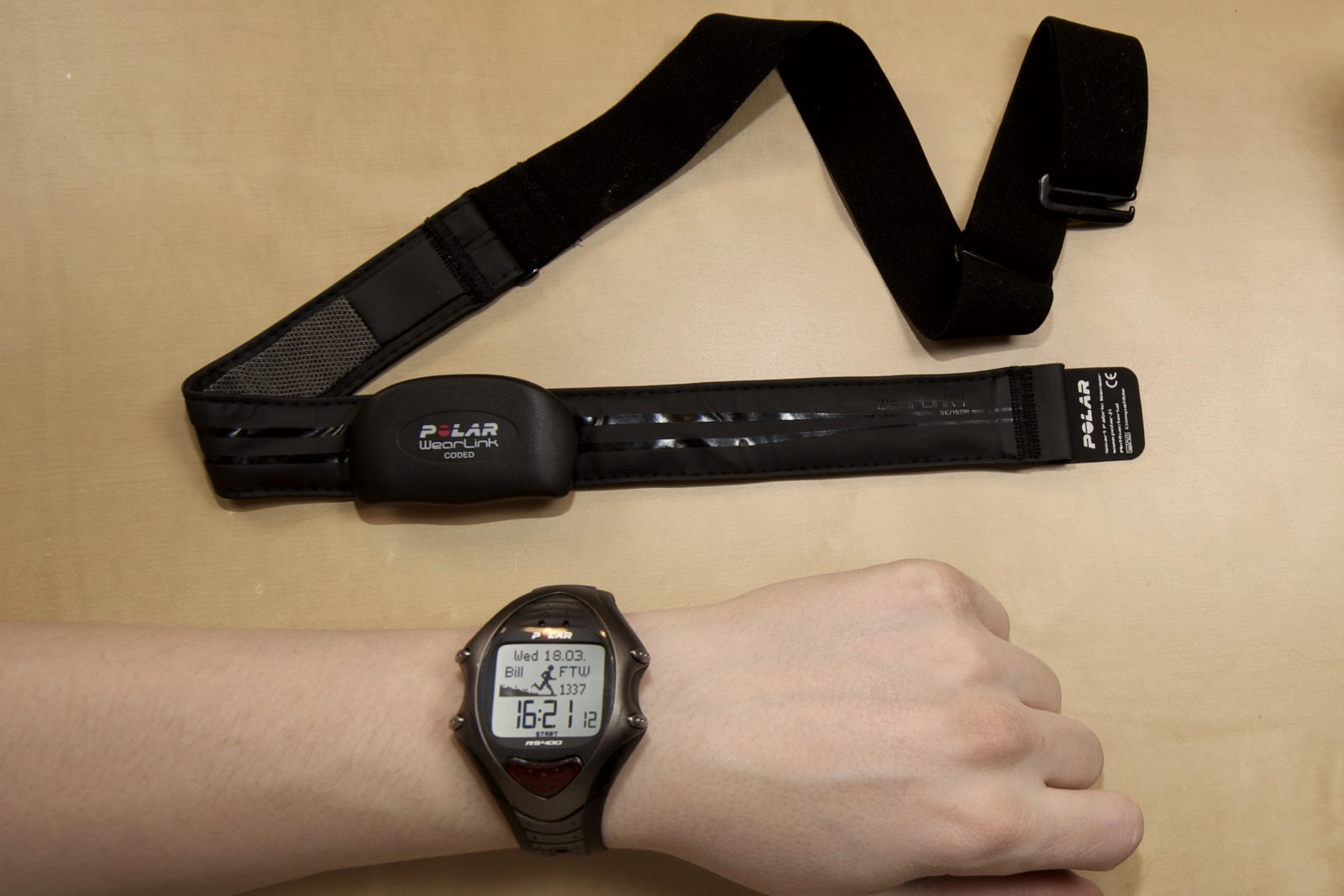
Photograph: Bill Ebbesen, aka Atomicbre at English Wikipedia · Public domain · Wikimedia Commons
An elite fixture now generates a volume of data that would have been inconceivable a decade ago: positional tracking at high frequency for every participant, ball telemetry, limb-level pose estimation, and — in training environments and increasingly in competition — physiological monitoring covering heart rate, respiratory measures, accelerometry and recovery indicators.
This data is commercially valuable in at least four distinct markets: broadcast enhancement, wagering, performance analysis sold back to clubs, and the emerging market in training data for machine-learning applications. Very little of it is governed by a clear contractual chain of title, because the categories did not exist when the relevant agreements were drafted.
Three parties, one dataset
Three parties have a plausible claim to any given item of this data, and their claims rest on different foundations.
The competition claims that data generated during its matches, captured by systems it commissions at venues it controls, forms part of the event rights it licenses. This is the position under which official data is currently sold, and it is commercially well established.
The club claims that data generated at its facilities, about players it employs, using systems it has purchased, is its property. This is generally accepted for training data and contested for competition data.
The player claims that data about their body is theirs, and that no employment relationship transfers ownership of physiological information. This claim has historically been dismissed and is now being taken considerably more seriously, for a straightforward reason: in most jurisdictions with a modern data-protection regime, biometric and health data is a special category subject to protections that a commercial agreement between two other parties cannot simply override.
A rights deal can license the match. It cannot license a third party’s heart rate without that party’s valid consent.
Why consent is the weak point
Clubs have generally responded by inserting broad data-consent provisions into playing contracts. The enforceability of these is doubtful in several major jurisdictions, and the doubt is structural rather than technical.
Consent under most modern data-protection frameworks must be freely given, specific, informed and revocable. Consent obtained from an employee as a condition of employment, covering unspecified future uses, and which cannot be withdrawn without professional consequence, satisfies approximately none of those requirements. Regulators in at least two jurisdictions have said so in guidance, though not yet in an enforcement action against a sporting employer.
Where the value is heading
The commercial stakes are rising faster than the legal position is settling. The most valuable near-term application is wagering: granular in-play markets require exactly the positional and event data being captured, and operators pay substantially for low-latency access.
The larger long-term application is training data. Datasets covering elite athletic movement, injury antecedents and physiological response under load are scarce, expensive to produce, and directly useful for building predictive models — in sport, and considerably beyond it in medical and insurance contexts. Several clubs have already licensed historical datasets to third parties for this purpose. Whether the players in those datasets were asked is, in most cases, not a question that has been put on the record.
What a settlement would look like
Player associations in three major competitions have opened negotiations specifically on this, and the shape of a workable arrangement is becoming visible: collective rather than individual consent, negotiated through the association; a defined schedule of permitted uses with anything outside it requiring fresh agreement; a revenue-participation mechanism for commercial exploitation; and an absolute prohibition on transfer of individually identifiable physiological data to insurers or to parties involved in contract negotiation.
That last provision is the one clubs are resisting, and it is the one that matters most to players. Data predicting injury risk is precisely the data that determines contract length and value, and a player negotiating against an employer holding a model of their own physical decline is negotiating at a disadvantage no previous generation faced.