NIL Day One: The College Athlete Becomes a Vendor
Permitting American college athletes to monetise their name, image and likeness created a market of roughly half a million new commercial counterparties overnight, with almost no supporting infrastructure.
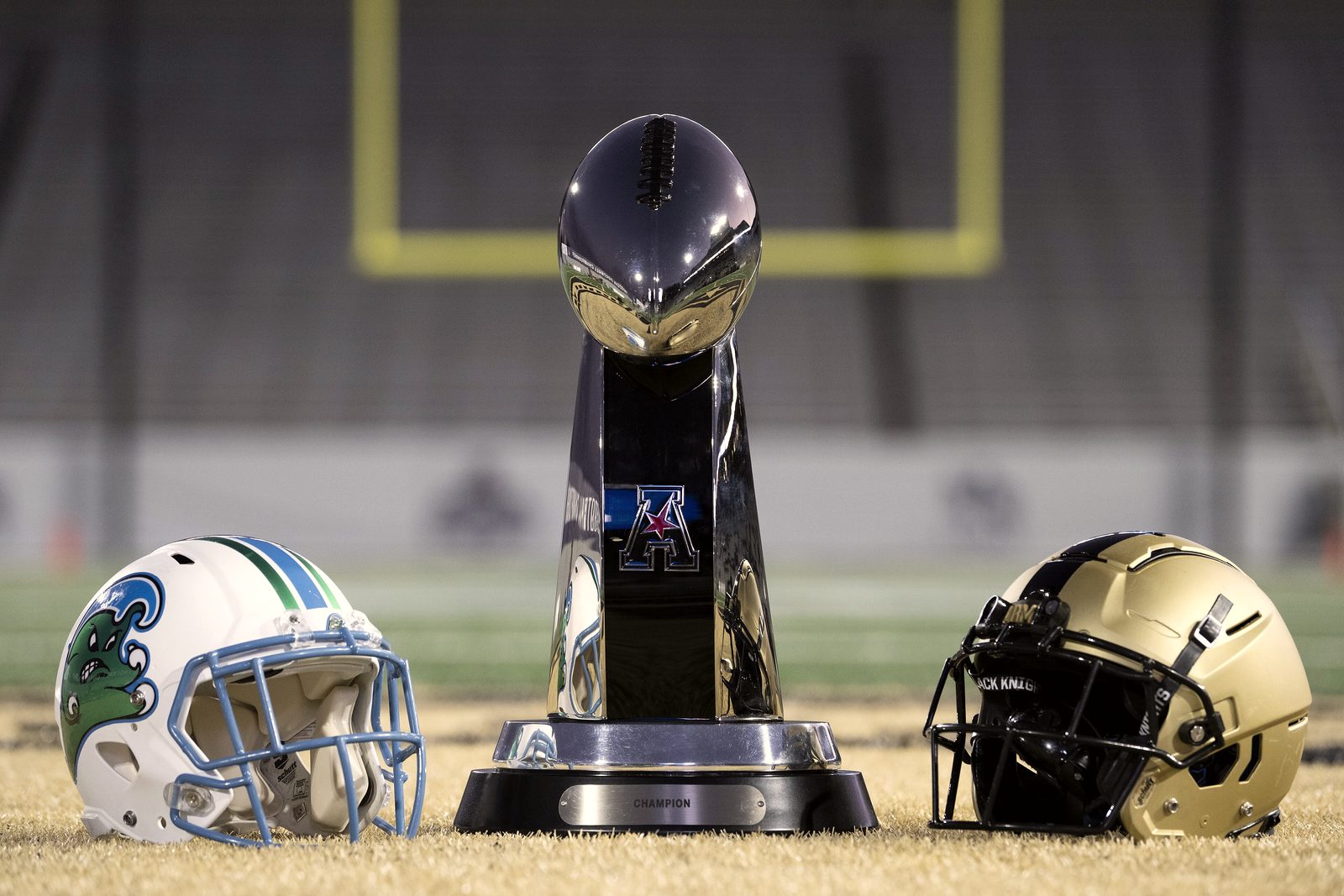
Photograph: John Pellino/USMA · Public domain · Wikimedia Commons
The rule change permitting American college athletes to earn from their name, image and likeness took effect on 1 July, and the coverage since has concentrated on the largest disclosed agreements. That is the least representative part of the story. The significant development is structural: an entire class of participants moved from being prohibited from commercial activity to being unrestricted in it, without any of the intermediary infrastructure that normally makes such a market function.
Professional athletes operate inside a dense support apparatus — agents bound by association rules, standard-form representation agreements, collectively bargained limits on agent fees, union-provided financial education, and a certification regime that can remove bad actors. Approximately none of that existed for college athletes on 1 July, and most of it still does not.
A patchwork, not a market
The immediate legal position is genuinely chaotic. In the absence of federal legislation, the operative rules are a patchwork of state statutes with materially different provisions on disclosure thresholds, permissible categories, institutional involvement and the use of school marks. An athlete in one state may accept a category of agreement that an athlete four hundred miles away may not, while both compete in the same conference and are recruited from the same pool.
Institutions have responded by writing internal policies stricter than their state law, which produces a further layer of variation. The practical result is that compliance advice has become a recruiting variable, and the schools with the best-resourced compliance departments have an advantage that has nothing to do with athletic facilities or coaching.
A right granted without infrastructure is a right exercised badly. The athletes with the least support will make the worst deals.
Concentration, not distribution
Early commentary framed the change as broadly distributive, allowing large numbers of athletes to earn modest sums from local sponsorship and social media. The data emerging from the first weeks points somewhere else. The distribution of value is extraordinarily skewed, in line with what one would expect from any attention market: a small number of athletes with substantial existing followings are capturing a very large share of total disclosed value.
Below that tier, the median agreement is small — often a product-in-kind arrangement or a local business promotion worth a few hundred dollars. This is not a criticism of the reform; a small payment is better than a prohibition. But it means the policy conversation should be about the median athlete signing an unreviewed contract for modest value, not about the outlier signing a seven-figure agreement with professional representation.
The collective problem
The most consequential development is the rapid emergence of donor collectives: entities organised by supporters of a particular institution that pool contributions and distribute them to that school’s athletes through nominal promotional agreements.
Functionally these are recruiting funds. The promotional activity they contract for is frequently minimal and the agreements are structured to route money to athletes at a specific school. Whether that is consistent with the stated purpose of the rule change is a question the governing body has conspicuously declined to answer, largely because its authority to answer it is now in serious legal doubt.
This is the shape of the next several years. The reform established that athletes may earn. It did not establish who may pay, for what, under whose supervision, or with what consequence for competitive balance — and every one of those questions is now being answered by litigation and by whichever party moves fastest, rather than by design.