Broadcasters Want Their Money Back
Rebate negotiations opening across three continents will set the template for how delivery risk is priced in the next rights cycle — and rights holders are negotiating from a weaker position than the headline numbers suggest.
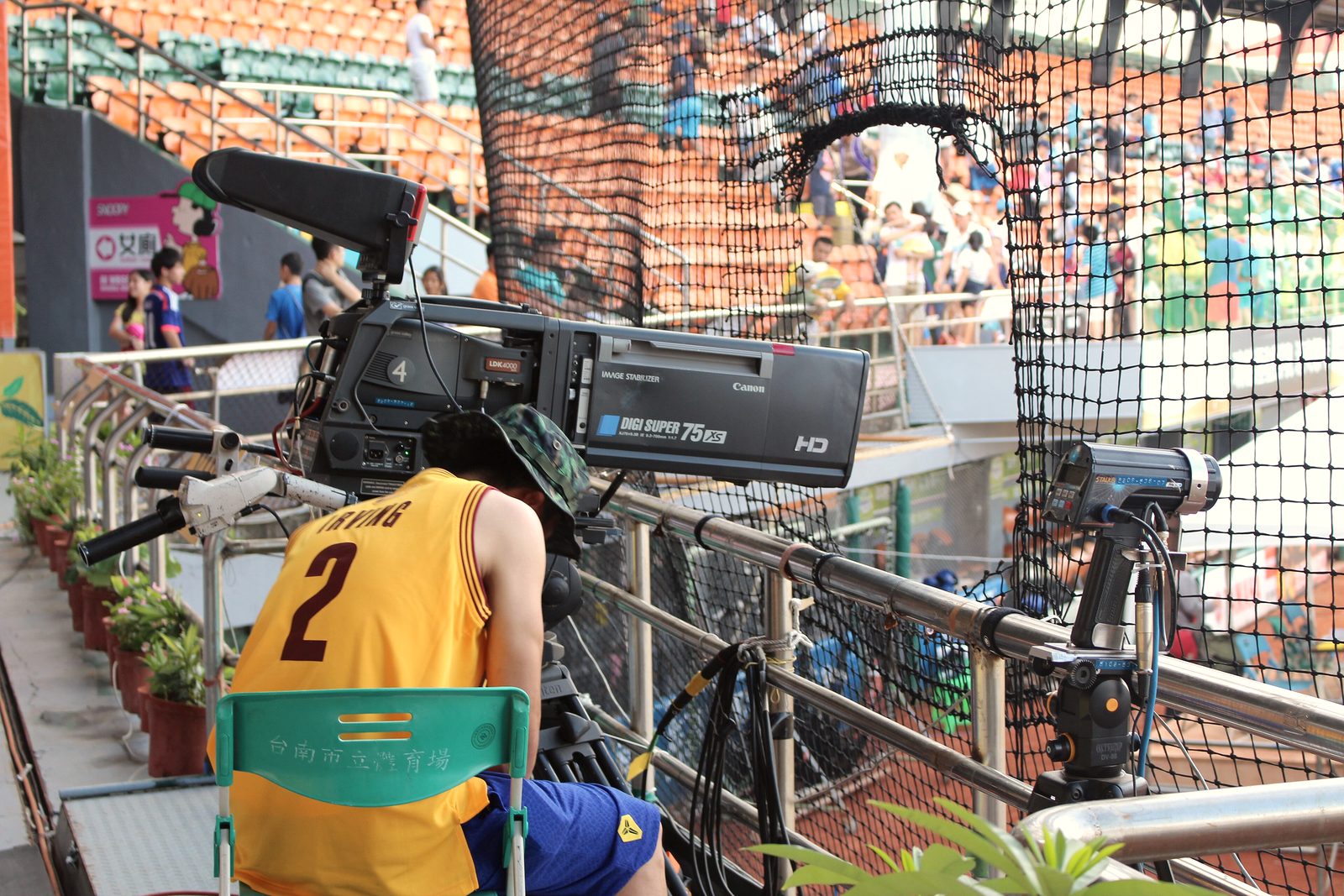
Photograph: Chi-Hung Lin · CC BY-SA 2.0 · Wikimedia Commons
The conversations now under way between leagues and their broadcast partners are being described publicly as discussions about goodwill. They are not. They are the first serious attempt in the history of the modern rights market to establish what a broadcaster is actually buying, and the answer will be written into contracts long after the current disruption is forgotten.
The claims arriving on rights holders’ desks fall into three categories, and they are not equally strong. The first is straightforward non-delivery: matches contracted and not supplied. The second is schedule displacement — fixtures delivered, but outside the windows that gave them their commercial value, which is a real loss for a broadcaster that sold advertising against a Saturday evening slot. The third, and most contested, is quality impairment: the argument that a match played in an empty stadium is a materially different product from the one contracted.
Why the third claim matters most
Leagues have been quick to settle the first category and slow to concede the third, for an obvious reason. Non-delivery is finite and countable. Quality impairment is neither. If a broadcaster can establish that atmosphere forms part of the contracted product, it establishes a principle that will be invoked in every future negotiation where the product changes — earlier kick-offs, expanded fixture lists, reduced star participation, competition restructuring.
That is why rights holders are resisting on principle while conceding on cash. Several of the settlements reaching provisional agreement this month are structured as deferrals and extensions rather than rebates: value returned through additional inventory, an extra season at the existing rate, or improved payment terms, rather than a reduction acknowledged in writing. The economics are similar. The precedent is entirely different.
Leagues are conceding the money and defending the principle. The principle is worth more.
The weakness in the rights holder position
Publicly, leagues have emphasised the strength of their contractual position. Privately, the calculation is more constrained, and it has little to do with the merits. Rights cycles are short, concentrated and relational. In most major markets, the realistic bidder set for a top-tier competition is three to five organisations, and often fewer once regulatory and platform constraints are applied. A league that wins a rebate argument in 2020 against a broadcaster it will need to bid competitively in 2023 has not obviously won anything.
This is the structural asymmetry of the rights market that the current dispute has made visible. Rights holders have pricing power in an auction and very little of it in a renegotiation, because the auction is a one-off game and the relationship is repeated. Broadcasters understand this. It is why several of the most aggressive early claims came from incumbents with long-dated deals and no imminent renewal — the parties with the least to lose from a difficult year.
Emerging markets, different maths
The picture diverges sharply outside the largest five or six markets. In territories where rights are sold through distributors rather than directly to end broadcasters, the rebate conversation is happening two steps removed from the league, and the intermediary is absorbing the pressure from both directions. Several distribution agreements in Asian and Middle Eastern markets carry minimum-guarantee structures that leave the distributor liable to the league regardless of whether it collects downstream.
Those are the contracts most likely to fail outright, and a handful already have. The consequence is that some leagues will emerge from this period having collected in full from their largest markets and not at all from their fastest-growing ones — precisely the inverse of the geographic diversification strategy most of them have been pursuing since the middle of the last decade.
What gets drafted next
The lasting output of this summer will be contractual language. Expect the next generation of agreements to define the deliverable with a precision that has not previously been thought necessary: minimum fixture counts, window specifications, explicit treatment of closed-door play, and a rebate mechanism that is formulaic rather than negotiated.
That is a better arrangement for both sides, and it is being arrived at for the worst possible reason. It also quietly transfers risk. A contract with a defined rebate formula is a contract in which the rights holder has accepted, in advance, that delivery failure has a price. For twenty years the market has treated sports rights as the closest thing in media to a guaranteed cash flow. It is about to stop being that, in writing.